
The psychology behind casino design and player attraction
The Influence of Colors and Lighting
Color psychology plays a crucial role in casino design, as different hues evoke specific emotional responses. Casinos often utilize vibrant colors like red and gold to stimulate excitement and energy among players, especially when they explore bitcoin sports betting sites that enhance the overall experience. Red is known to increase heart rates and create a sense of urgency, encouraging individuals to place bets more quickly. Meanwhile, gold represents wealth and luxury, providing an aura of exclusivity and encouraging high-stakes play.
Lighting is another significant factor in casino environments. Dim, ambient lighting allows for an intimate atmosphere that draws players in, while strategically placed spotlights can highlight popular games or areas. Casinos often employ a combination of bright and soft light to create a sense of allure while ensuring that players remain comfortable and focused on gaming. This careful balance makes players feel at ease, which can ultimately lead to longer play sessions.
Moreover, many casinos use electronic billboards and neon signs to draw attention to promotions and games. The blinking lights and animated visuals can create a sense of urgency and excitement, ensuring that players are constantly engaged. This sensory stimulation encourages individuals to explore different areas of the casino, enticing them to participate in various games, from slot machines to table games.
The Layout and Flow of the Casino
The physical layout of a casino is meticulously planned to maximize player engagement. The design often employs an open floor plan that allows for easy navigation between different gaming areas. By strategically placing high-traffic games like slots and table games near the entrance, casinos can immediately attract new visitors and create an immersive experience that encourages exploration.
Casinos also utilize winding pathways that create a sense of discovery. Players may venture deeper into the establishment, drawn in by the sounds of winning or the buzz of activities. This design technique keeps players inside longer, as they are less likely to notice the passage of time and may lose track of their spending. The absence of windows and clocks further enhances this feeling of immersion, allowing players to become fully absorbed in the gaming experience.
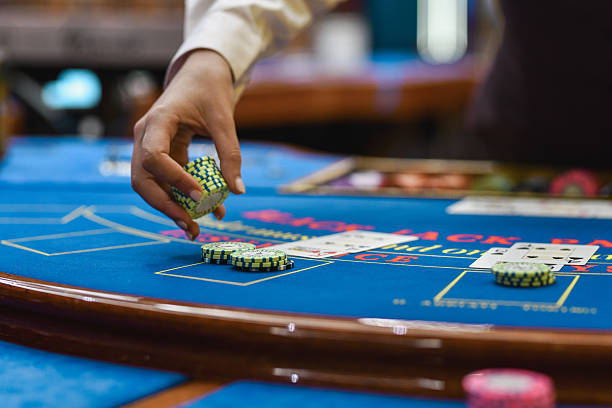
Additionally, casinos often include social spaces such as bars and lounges. These areas provide players with opportunities to take breaks, socialize, and discuss their gaming experiences. By incorporating these zones into the casino layout, establishments create an environment that fosters camaraderie among players, encouraging them to return for future visits to enjoy both gaming and social interactions.
Sound Design and Its Impact on Player Experience
Sound design is a subtle yet powerful element in casino environments. The auditory experience in a casino is carefully curated to enhance the excitement of gameplay and create an engaging atmosphere. The sounds of slot machines ringing, table games being shuffled, and the chatter of winning players contribute to an overall ambiance that can heighten emotions and encourage further play.
For instance, the use of pleasant tones and jingles when players win can create a positive feedback loop, prompting them to continue playing in hopes of experiencing that rewarding sensation again. Conversely, ambient music is often utilized to maintain a lively atmosphere without overpowering the sounds of the games. This careful orchestration of sounds helps players remain engaged while also providing a sense of relaxation amidst the excitement.
Furthermore, casinos may employ different soundscapes in various areas to evoke specific moods. High-energy zones, such as slot machine areas, may feature upbeat music to create an electrifying atmosphere, while quieter zones might have more mellow sounds to encourage relaxation. This sensitive approach to sound design allows casinos to cater to a diverse range of player preferences, enhancing their overall experience.
The Role of Rewards and Incentives
Incentives play a vital part in shaping player behavior within casinos. Loyalty programs and rewards systems are designed to cultivate repeat business by providing players with points, bonuses, and exclusive perks. These rewards not only encourage players to spend more but also create a sense of belonging and recognition, fostering loyalty to the casino brand.
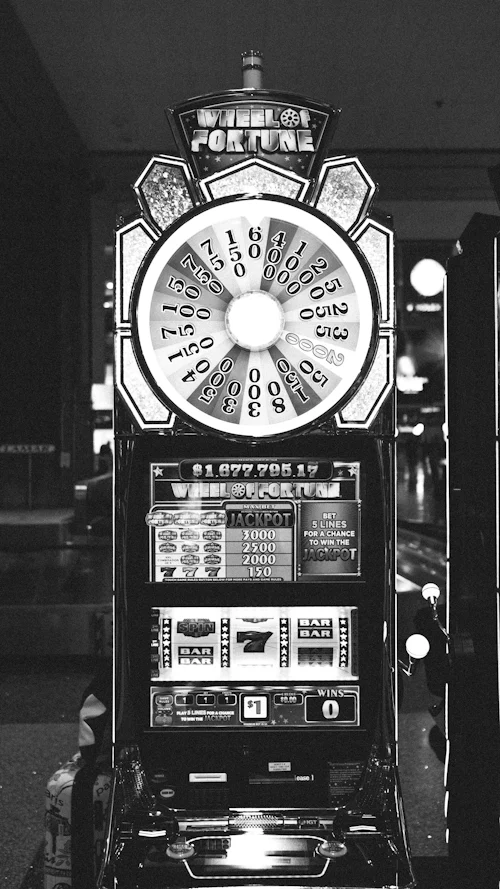
Gamification strategies, such as progressive jackpots and daily challenges, provide additional motivation for players. The prospect of winning substantial prizes can create a thrill that keeps players engaged for longer periods. This excitement often drives individuals to return to the casino, hoping to replicate their previous experiences or win bigger prizes in future visits.
Moreover, personalized incentives based on player behavior can enhance the overall experience. By analyzing player data, casinos can offer tailored promotions that align with a player’s gaming preferences. Whether through free play credits, complimentary meals, or exclusive invites to events, these personalized touches can heighten the sense of value and satisfaction, further solidifying the bond between the player and the casino.
The Impact of Online Presence and Marketing
As the gambling landscape evolves, the online presence of casinos has become increasingly significant. With the rise of digital marketing, casinos are not only competing with each other but also with online gaming platforms. A well-structured website and active social media presence are essential tools for attracting players in today’s market. Engaging content, promotions, and user-friendly interfaces can significantly enhance player interest.
The design of a casino’s website mirrors the physical environment, employing visually appealing colors and intuitive navigation to create a seamless user experience. Effective marketing strategies, including targeted advertising and social media campaigns, can draw potential players to both physical and online platforms. By showcasing unique offerings and bonuses, casinos can entice players to visit their establishments or engage with their online games.
Furthermore, online reviews and testimonials play a significant role in shaping potential players’ perceptions. Positive feedback about games, customer service, and the overall casino experience can sway individuals considering where to play. By fostering a strong online community and encouraging player engagement through interactive content, casinos can enhance their reputation and attract a steady stream of visitors to both their physical and online platforms.